
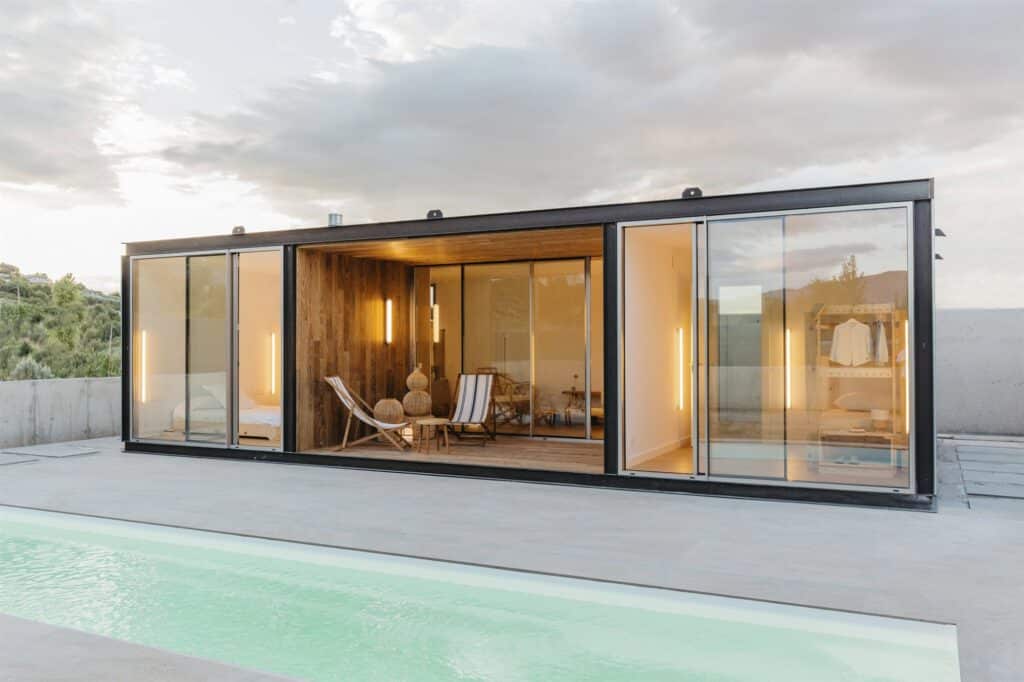
When it comes to finding a place to call home, many people are looking for alternatives to the traditional houses and apartments. Whether it’s a desire for a simpler lifestyle, a need for more sustainable living, or just a sense of adventure, alternative housing options are becoming increasingly popular. In this article, we will explore the top 13 alternative housing ideas that offer unique and innovative living spaces.
Tiny houses
Tiny houses have gained a lot of attention in recent years for their minimalist and compact design. These small homes typically range from 100 to 400 square feet and are often built on wheels, allowing for mobility and flexibility. Despite their small size, tiny houses are designed to maximize space and functionality, with clever storage solutions and multi-purpose furniture.
Shipping container homes
Shipping container homes are another popular alternative housing option. These homes are made from repurposed shipping containers, which are durable, affordable, and readily available. With some creativity and ingenuity, shipping containers can be transformed into stylish and modern living spaces. They can be stacked or combined to create larger homes, and their modular nature allows for easy customization.
Earthships
Earthships are self-sustaining homes that are designed to be environmentally friendly and energy-efficient. These homes are typically built using recycled materials, such as tires, bottles, and cans, and are designed to be off-grid, relying on renewable energy sources like solar power. Earthships also incorporate passive solar design principles, which help regulate temperature and reduce energy consumption.
Treehouses
Treehouses are not just for kids anymore. These elevated dwellings offer a unique and whimsical living experience, surrounded by nature. Treehouses can be built on sturdy trees or supported by stilts, and they can range from simple and rustic to luxurious and modern. Living in a treehouse allows for a close connection with the natural world and offers a sense of peace and tranquility.
Yurts
Yurts are traditional circular dwellings that have been used by nomadic cultures for centuries. These portable structures are made from a lattice frame covered with fabric or animal skins. Yurts are easy to assemble and disassemble, making them ideal for those who want a flexible and mobile living space. Despite their simple design, yurts can be quite spacious and comfortable.
Cob houses
Cob houses are made from a mixture of clay, sand, and straw, which is then shaped into walls and allowed to dry. This ancient building technique creates sturdy and durable structures that are well-insulated and energy-efficient. Cob houses have a unique and organic aesthetic, with curved walls and natural materials. They can be built in various shapes and sizes, depending on the needs and preferences of the homeowner.
Straw bale houses
Straw bale houses are another eco-friendly alternative housing option. These homes are built using bales of straw as the primary building material, which provides excellent insulation and soundproofing. Straw bale houses are energy-efficient and can be designed in a variety of architectural styles. They are also fire-resistant and have a low carbon footprint.
Floating homes
Floating homes offer a unique and unconventional living experience on the water. These homes are built on floating platforms or pontoons and can be found in lakes, rivers, or even coastal areas. Floating homes can range from small and simple structures to luxurious and spacious residences. Living on the water provides a sense of tranquility and a close connection with nature.
Geodesic domes
Geodesic domes are spherical structures made from interconnected triangles. These homes are known for their strength and stability, as well as their efficient use of space. Geodesic domes are energy-efficient and can withstand extreme weather conditions. They can be used as single-family homes, vacation retreats, or even community centers.
Houseboats
Houseboats are floating homes that are designed to be lived in full-time. These homes are built on a floating platform and can be found in marinas or along rivers and canals. Houseboats offer a unique and adventurous lifestyle, with the freedom to travel and explore different locations. They can range from small and basic boats to luxurious and fully-equipped residences.
Underground homes
Underground homes, also known as earth-sheltered homes, are built partially or entirely below ground level. These homes offer natural insulation and thermal mass, making them energy-efficient and environmentally friendly. Underground homes can be designed to blend seamlessly with the surrounding landscape and can provide a sense of security and privacy.
Converted school buses
Converted school buses, also known as skoolies, are becoming a popular alternative housing option for those seeking a mobile lifestyle. These buses are transformed into comfortable and functional living spaces, with all the amenities of a traditional home. Skoolies offer the freedom to travel and explore, while still providing a cozy and personalized living space.
Prefabricated homes
Prefabricated homes, also known as prefab homes or modular homes, are built off-site and then transported to the desired location. These homes are constructed in a factory, using standardized components, and can be assembled quickly and efficiently. Prefab homes offer a cost-effective and sustainable housing solution, with a wide range of design options to choose from.
Mobile homes
Mobile homes, also known as manufactured homes, are built in a factory and then transported to a designated site. These homes are designed to be moved and can be placed on private land or in mobile home parks. Mobile homes offer an affordable and flexible housing option, with various sizes and floor plans available.
Co-housing communities
Co-housing communities are intentional communities where residents share common spaces and resources while maintaining their private living spaces. These communities are designed to foster a sense of community and cooperation, with shared facilities such as kitchens, gardens, and recreational areas. Co-housing communities offer a balance between privacy and social interaction.
Communal living spaces
Communal living spaces are similar to co-housing communities but often have a more communal and shared living arrangement. These spaces can range from large houses or apartments where residents have their own private rooms but share common areas, to intentional communities where residents live and work together. Communal living spaces promote collaboration, sustainability, and a sense of belonging.
Eco-villages
Eco-villages are intentional communities that are designed to be environmentally sustainable and socially conscious. These communities prioritize ecological principles, such as renewable energy, organic farming, and waste reduction. Eco-villages often have a strong sense of community and offer a supportive and sustainable way of living.
Micro-apartments
Micro-apartments, also known as micro-units or tiny apartments, are compact living spaces that typically range from 150 to 400 square feet. These small apartments are designed to maximize space and functionality, with innovative storage solutions and multi-purpose furniture. Micro-apartments offer an affordable and efficient housing option, particularly in urban areas with high housing costs.
Converted warehouses
Converted warehouses offer a unique and industrial living experience. These large and open spaces are transformed into residential lofts, with high ceilings, exposed brick walls, and large windows. Converted warehouses often have a modern and minimalist aesthetic and can be customized to suit individual preferences.
Loft apartments
Loft apartments are similar to converted warehouses but are typically found in purpose-built buildings. These apartments feature open floor plans, high ceilings, and large windows, creating a spacious and airy living environment. Loft apartments offer a contemporary and urban living experience, with a blend of industrial and modern design elements.
Earthbag homes
Earthbag homes are constructed using bags filled with earth or other natural materials, such as sand or gravel. These bags are stacked and compacted to form walls, which are then covered with plaster or stucco. Earthbag homes are affordable, durable, and energy-efficient, making them a popular choice for those seeking sustainable and low-cost housing options.
Hempcrete houses
Hempcrete houses are built using a mixture of hemp fibers, lime, and water. This natural and sustainable building material offers excellent insulation and thermal regulation properties. Hempcrete houses are also fire-resistant, pest-resistant, and have a low carbon footprint. These homes provide a healthy and eco-friendly living environment.
Igloos
Igloos are traditional homes of the Inuit people, built using blocks of compacted snow or ice. While primarily associated with Arctic regions, modern igloos can be constructed using other materials, such as foam or fiberglass. Igloos offer excellent insulation and can be surprisingly warm and comfortable. These unique and iconic structures provide a connection with nature and a sense of adventure.
Tent communities
Tent communities, also known as tent cities, are temporary housing solutions that provide shelter for those in need. These communities are often set up in response to natural disasters or homelessness. While not a permanent housing option, tent communities offer a sense of community and support during difficult times.
Van conversions
Van conversions, also known as van life, have become a popular alternative housing option for those seeking a nomadic lifestyle. These vans are transformed into fully-equipped living spaces, with sleeping areas, kitchens, and even bathrooms. Van conversions offer the freedom to travel and explore, while still providing the comforts of home.
House swaps
House swaps, also known as home exchanges, allow homeowners to temporarily trade homes with someone else. This alternative housing option provides an opportunity to experience a different location and culture, without the cost of accommodation. House swaps can be arranged through various online platforms and offer a unique and affordable way to travel.
As you can see, there are numerous alternative housing options available for those looking for something different. Whether it’s a tiny house, a converted school bus, or an earthship, these alternative homes offer unique and innovative living spaces. So, if you’re ready to step outside the box and embrace a different way of living, consider one of these alternative housing ideas.


